

Flies are Awful ... except Dragon or Butter

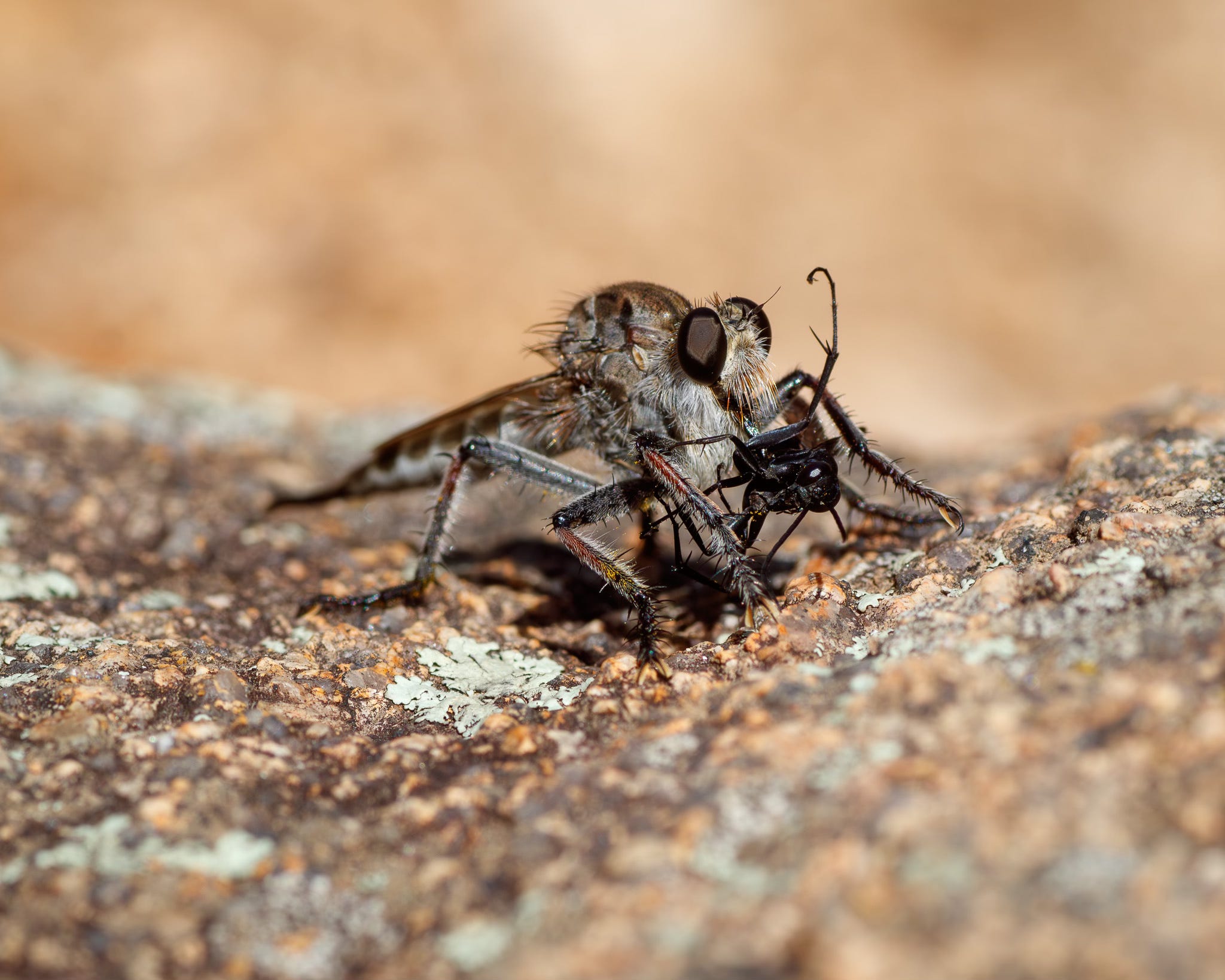
Nobody likes flies. We have sprays, electric zappers, and even plastic swatters named specifically for the insect they are designed to kill. All of this is totally understandable. Flies really are pretty disgusting. They spread disease, they bite, and even when not doing those things, they’re still just plain annoying.
Plus, if you ever get a good close look, some of them are truly nightmare inducing. Could you imagine if that robber fly was the size of a bird?
Yikes!
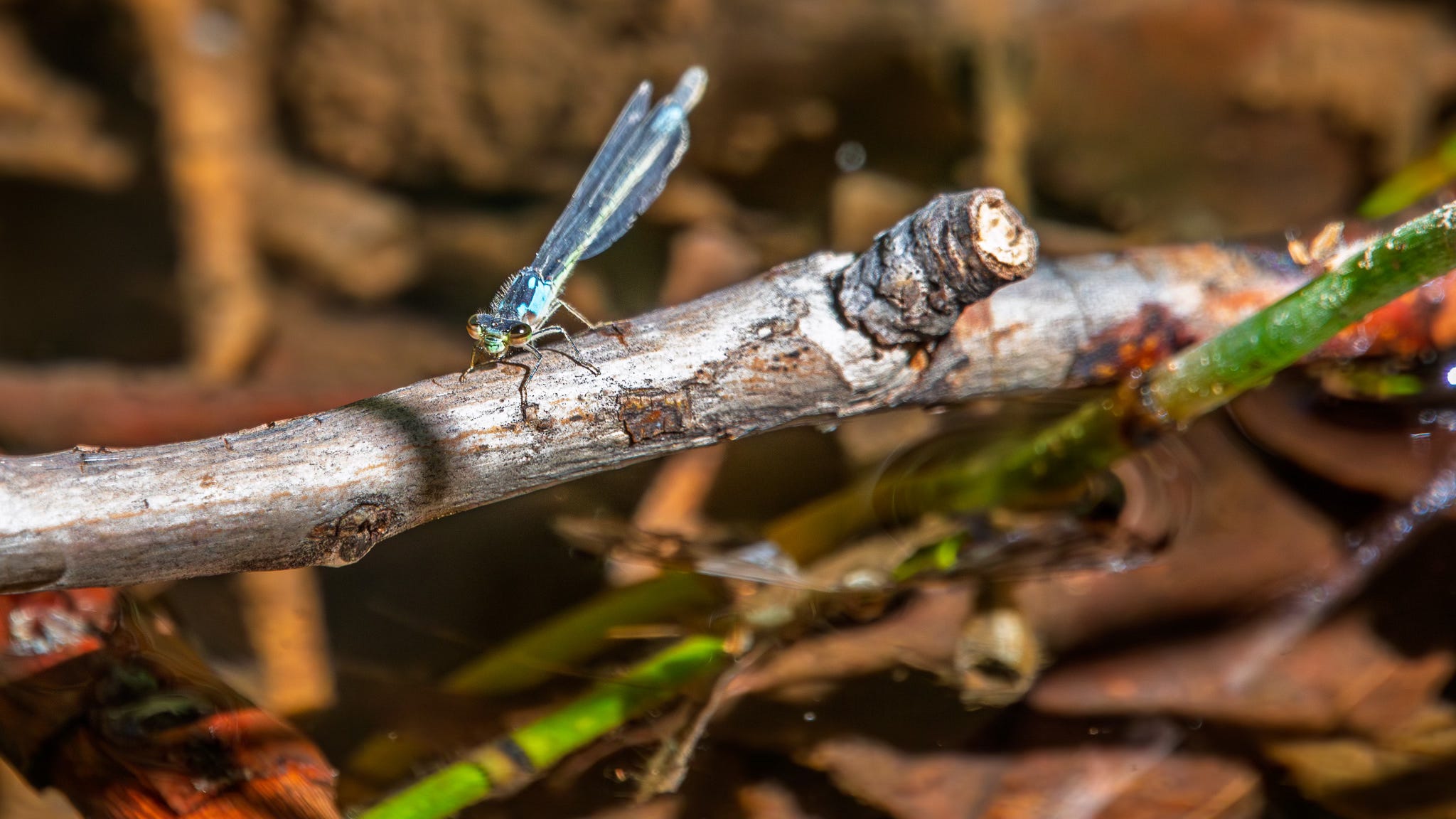
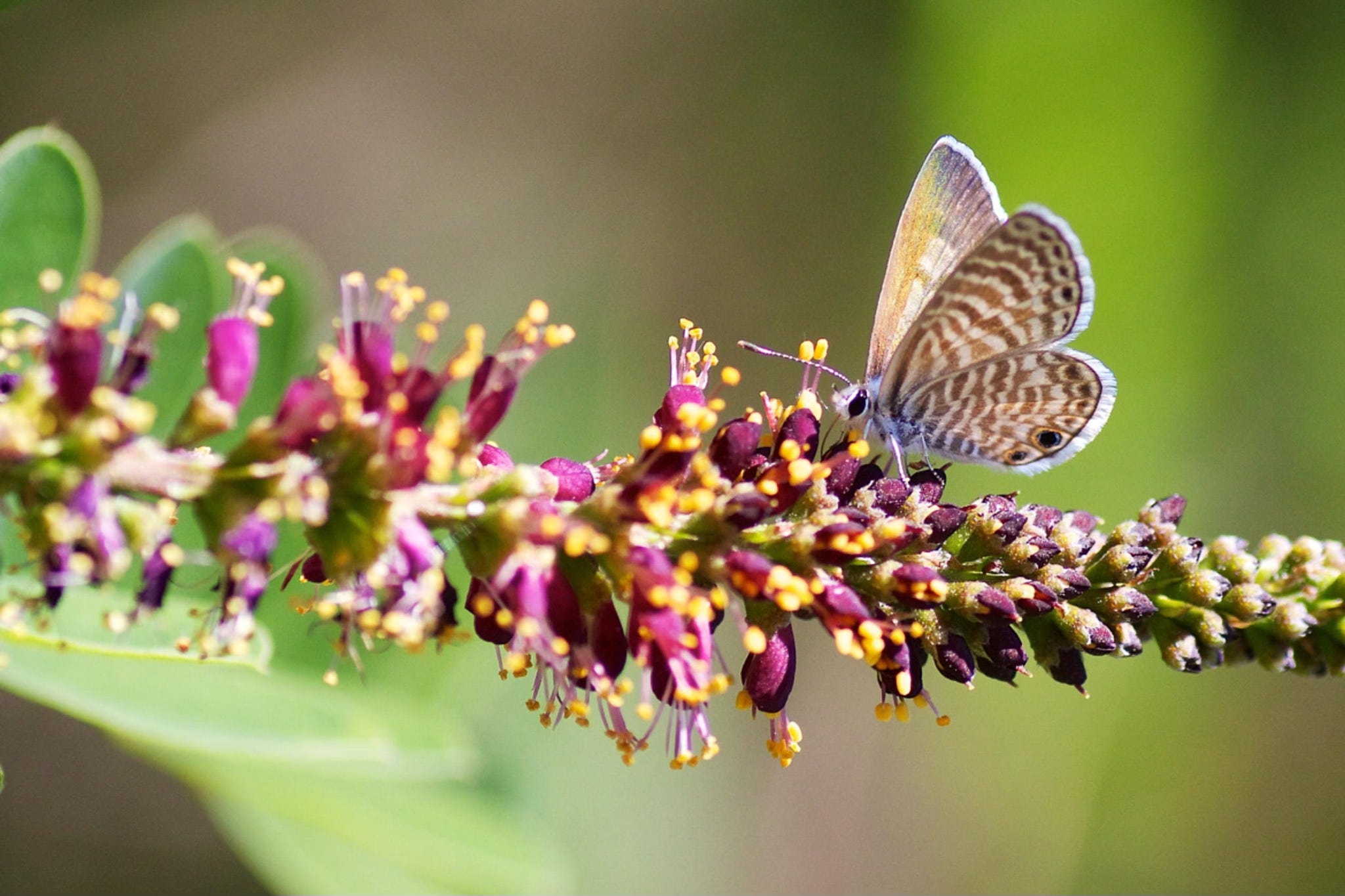
But a really funny thing happens if the word Dragon or Butter comes before the fly part … they suddenly become super cool and people love them!
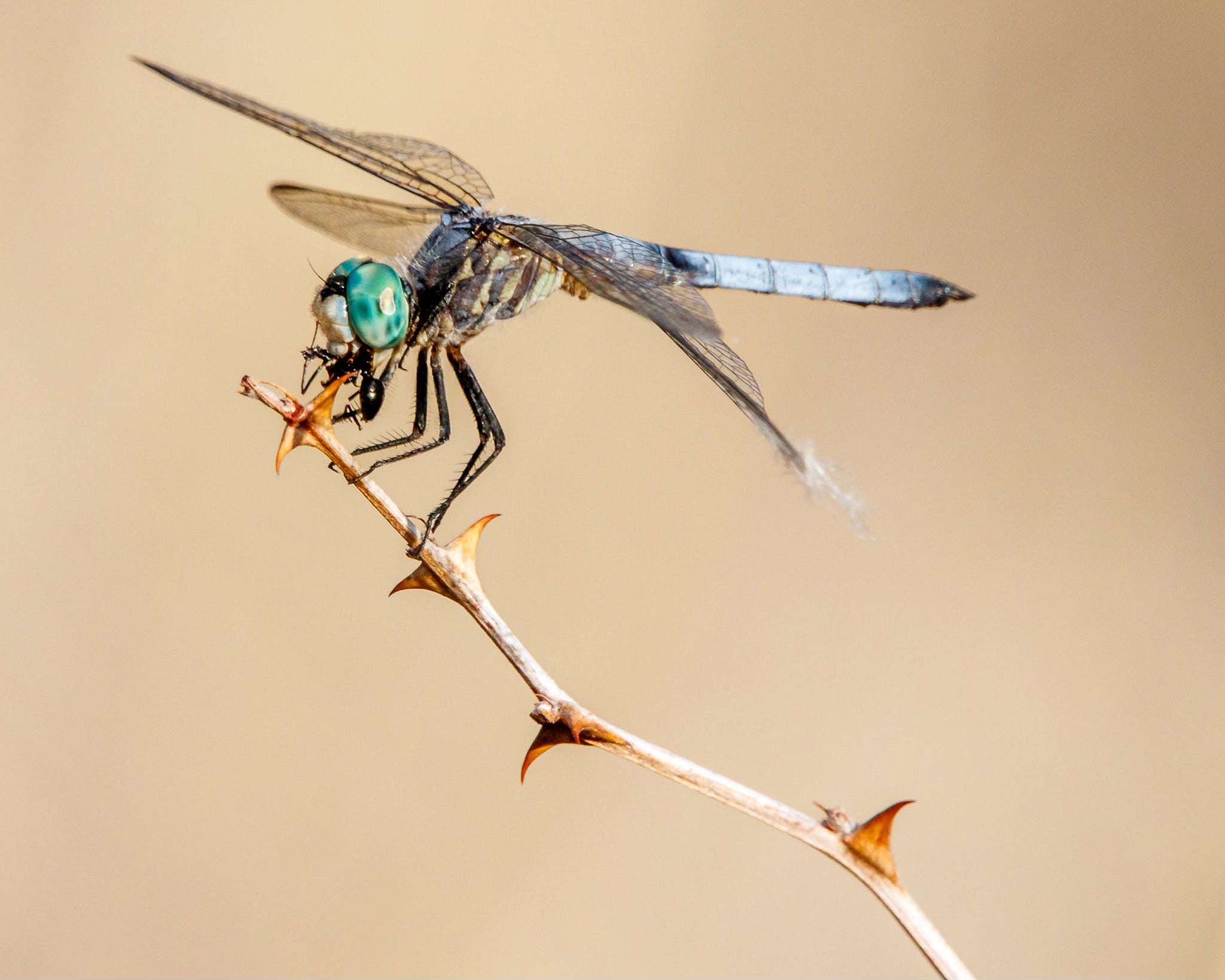
This is the despite the fact that I have plenty of pictures of dragonflies doing essentially the same thing (eating another insect) as that robber fly in the first image.
I will freely admit that it’s much harder to find anything nearly as objectionable about butterflies. But they do none-the-less still have “fly” in their name.


When I’m out on the trail in the mountains or down by the river with a long lens on my camera, I’m usually looking for birds or other animals to photograph. But it’s nice that there are almost always also butterflies and dragonflies around.
I don’t always just take their picture as an aside though. One time, back in 2013 I liked on my stomach in a field for about 45 minutes trying to get this shot:
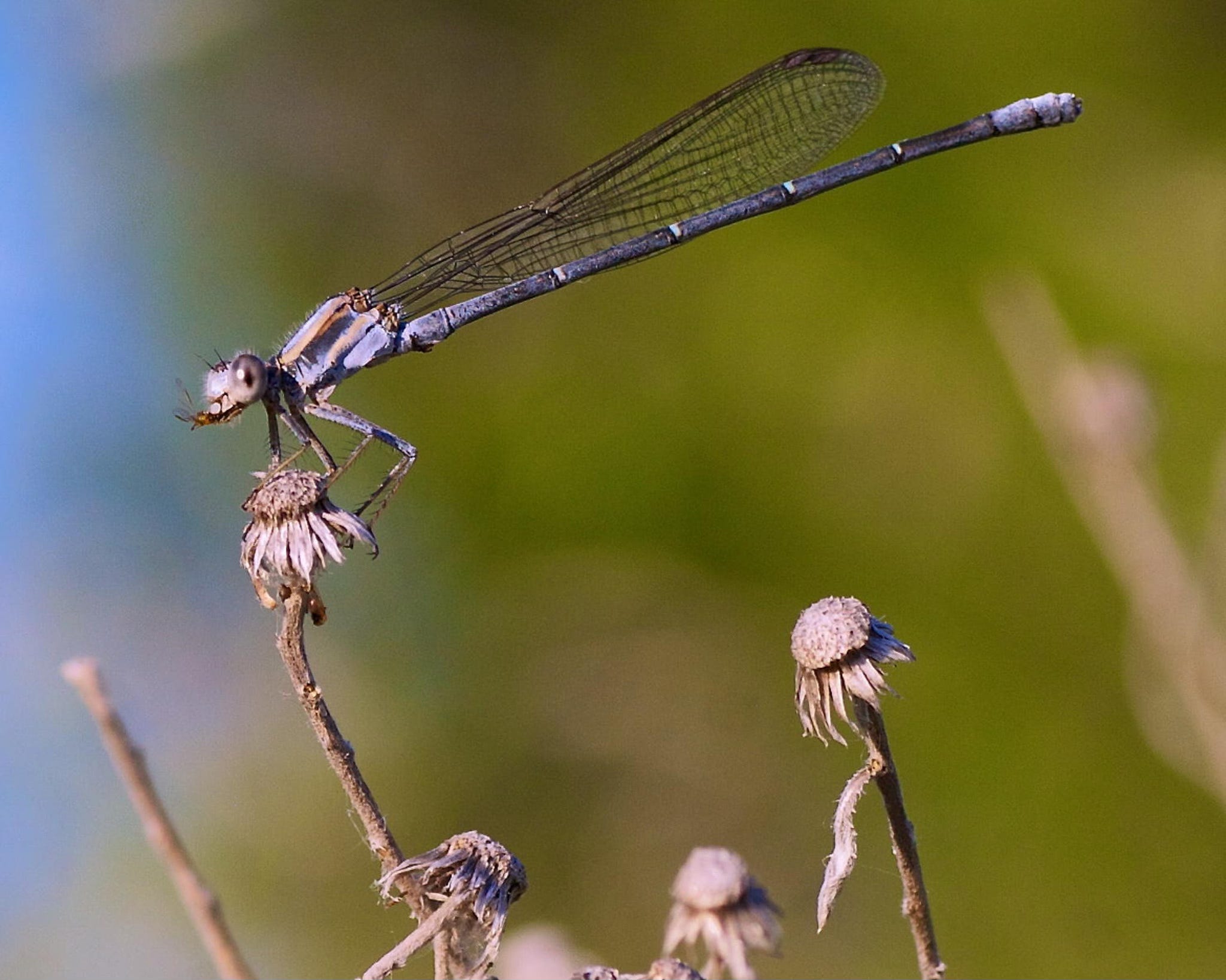
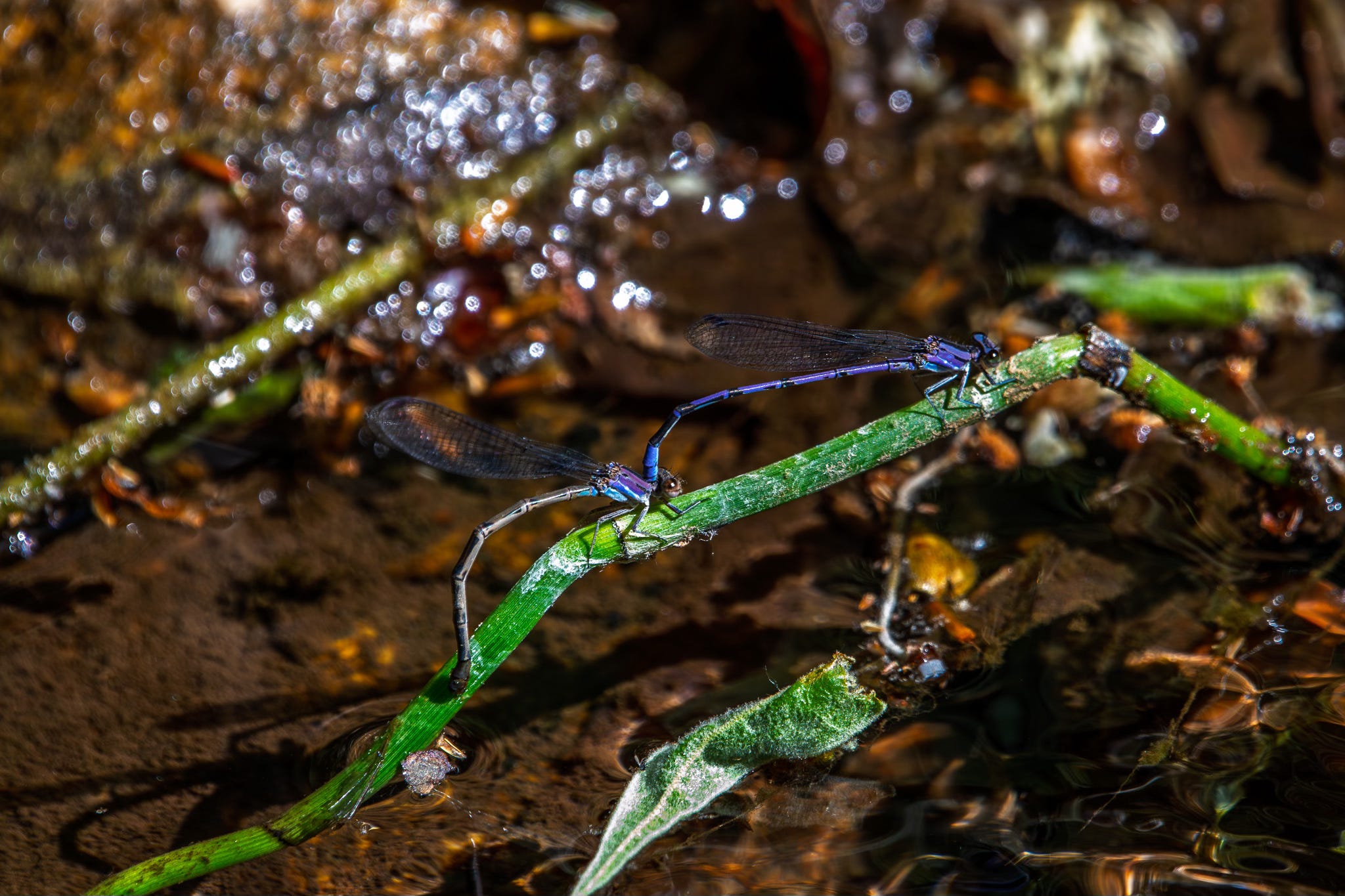
Even just this afternoon when I stopped at Huachuca Canyon after I got off work, I couldn’t resist capturing (and now sharing) this dragonfly porn. 😎
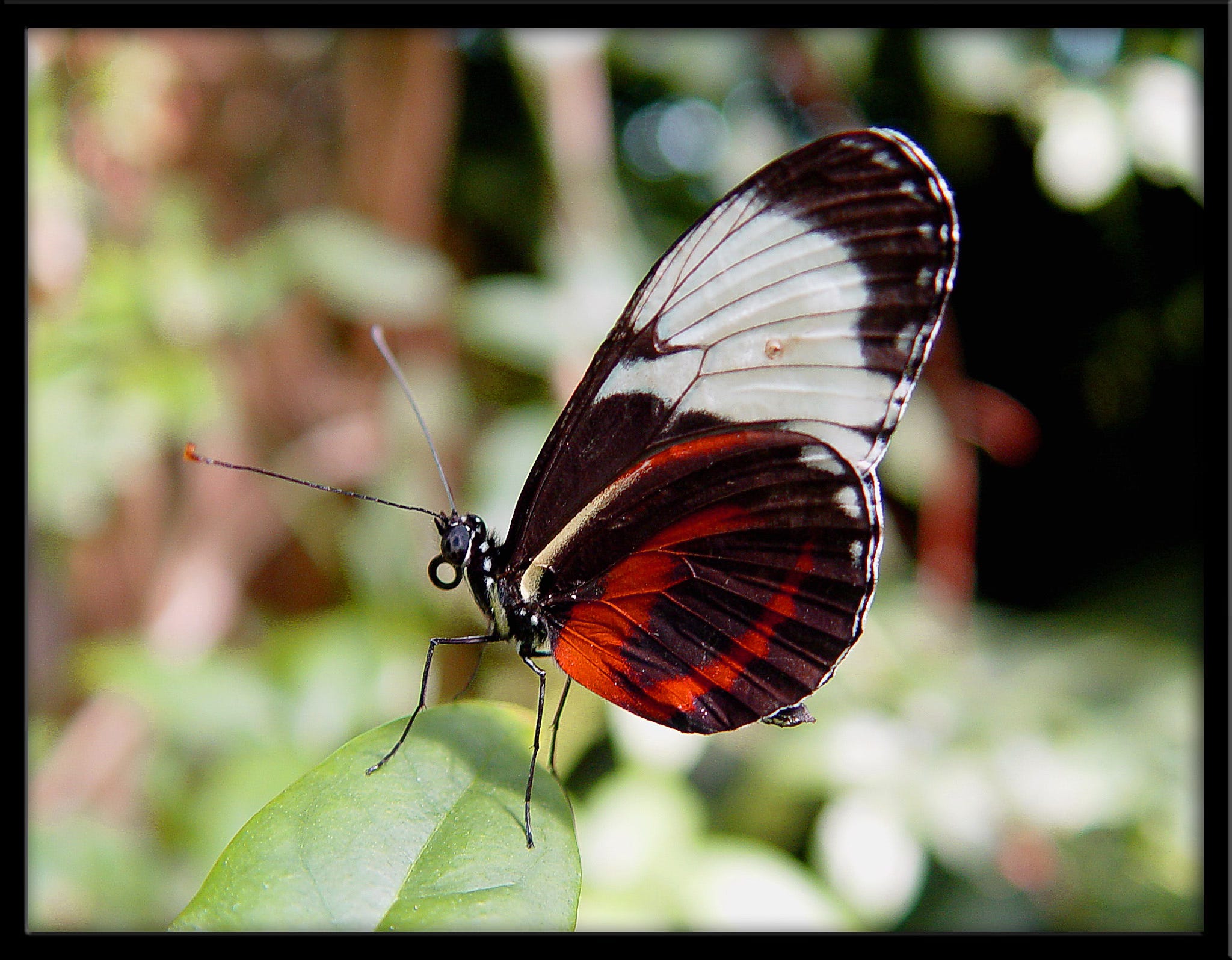
Of course this a decades long love affair for me. While I couldn’t tell you when I first took a picture of a dragon or butterfly, but I’m pretty sure this image captured on a Sony F-717 in 2004 may be one of the oldest in my archives.
Your Turn:
We all love butterflies and dragonflies, but is there a 'creepy' insect you actually find fascinating to look at?
Til next time,
Todd
p.s. if you’re not a subscriber yet, I’d love to have your join our little group. If you do already subscribe, thank you! Please consider sharing this post with others:

I got curious, so I set Claude to finding the etymologies of butterfly and dragonfly. The most plausible origin for butterfly is via color association with butter. It's supported also in other languages as well as (very!) Old English. I rather like buttorfleoge and wæter-fleoge! Claude:
Butterfly
The Old English is buttorfleoge (9th century or earlier), directly compounding "butter" and "fly."
Color: The brimstone (Gonepteryx rhamni) is a vivid sulfur-yellow — the most common butterfly in early medieval Britain — and resembles fresh butter. This is the most philologically parsimonious explanation.
Dragonfly
The compound is considerably more recent in English — attested from the 17th century. Old English used wæter-fleoge (water fly), which is descriptively plain. "Dragon" was applied for obvious reasons: the dragonfly is large, swift, predatory, has enormous multifaceted eyes, formidable mandibles, and an elongated body that, to a pre-scientific observer, plausibly evoked a miniature dragon.
Nice! lol, one of these days I will start putting this kind of research into my articles. In the meantime, you are more than welcome to comment with your Claude findings as often as you'd like. 😁